Cyclosporine A: Nature’s Early Example of an Oral Cyclic Peptide
From the long-acting modifications of semaglutide and tirzepatide to the cyclic undecapeptide scaffold, N-methylation, conformational flexibility, and formulation of orally available Cyclosporine A.
Peptides are built from amino acids and can form complex, precise molecular-recognition interfaces. Once inside the body, however, they often encounter two problems: enzymes in the digestive tract can cleave peptide chains, while cell membranes generally do not readily admit large, polar peptides. Many natural peptides therefore require injection, and drug development has long focused on slowing degradation, prolonging duration of action, and improving exposure in the body.
Semaglutide and tirzepatide illustrate one route for this kind of optimization. They incorporate noncanonical amino acids into their peptide chains and carry long-chain fatty-acid modifications that enable albumin binding and extend their duration in the body. Semaglutide attaches a C18 fatty diacid through a lysine side chain; tirzepatide contains two Aib residues and is also linked to a fatty diacid. Together with other changes to the scaffold, these modifications help the drugs resist degradation and prolong their half-lives. It is important to distinguish, however, that such fatty-acid modifications primarily address duration of action; they do not mean that a peptide can therefore be readily administered by mouth.
Oral cyclic peptides are not a concept that appeared only recently. Nature had already provided a striking example: Cyclosporine A. It is a natural cyclic peptide composed of 11 amino acids and has long been used orally for immunosuppressive therapy. Its existence shows that a peptide with a relatively high molecular weight is not necessarily incapable of oral administration; certain unusual structures can allow a cyclic peptide to retain pharmacological activity while gaining an opportunity to enter the body.
The structure of Cyclosporine A is not simply an ordinary peptide chain joined end to end. It contains several noncanonical or modified amino acids, and the backbone nitrogen atoms of seven residues are methylated. N-methylation reduces the number of hydrogen-bond donors on the peptide chain, while the cyclic scaffold and intramolecular hydrogen bonds can alter the polarity exposed at the molecular surface. Cyclosporine A also changes conformation with its environment, adopting different structural states in aqueous and relatively hydrophobic surroundings. These features help explain why it can traverse a membrane environment, but they cannot be reduced to the claim that “cyclization plus N-methylation makes a peptide orally available”: the same structural changes may also affect target binding, solubility, and formulation performance. A study of its conformational complexity and chameleonicity provides experimental context for this structural flexibility.
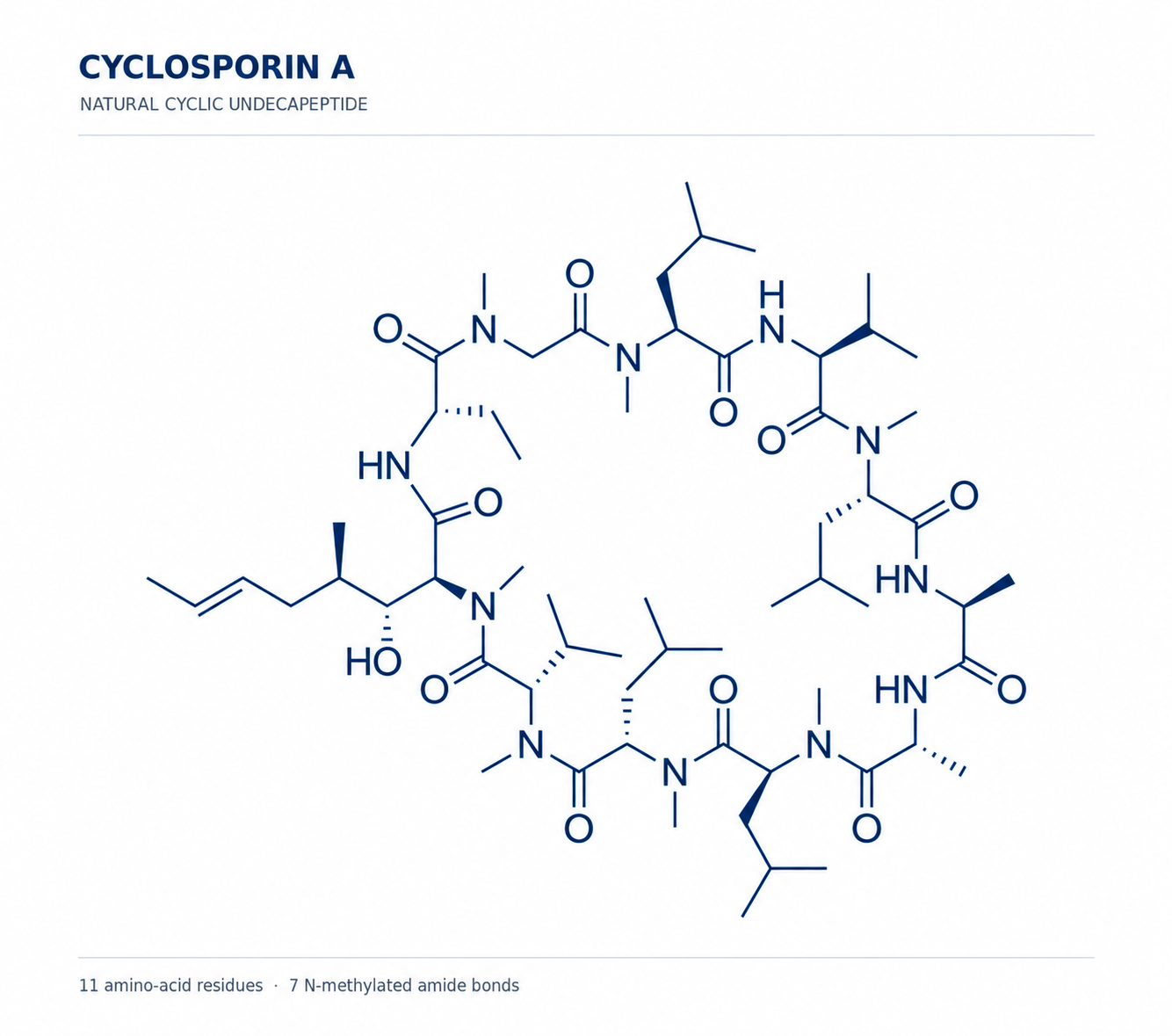
Figure 1. Chemical structure of Cyclosporine A.
Cyclosporine A also reminds us that oral performance does not depend on the molecule alone. It is relatively hydrophobic, its oral absorption is influenced by formulation, and different formulations do not have identical absorption profiles. Current prescribing information notes differences in bioavailability between modified cyclosporine formulations and Sandimmune. Cyclosporine A is therefore both a successful example of an orally available natural cyclic peptide and not a design blueprint that can simply be copied. What it truly demonstrates is that a cyclic scaffold, noncanonical amino acids, conformational changes, and formulation design can jointly influence how a peptide behaves in the body.
Two oral peptide drugs approved in recent years have renewed attention to this direction. Icotrokinra, approved in 2026, is used to treat plaque psoriasis, while enlicitide is used to lower LDL-C in patients with high cholesterol. Both are highly engineered macrocyclic peptides containing nonproteinogenic amino acids or other nonnatural structural units; their cyclization methods, targets, and optimization paths differ. They are not direct derivatives of Cyclosporine A, but together with Cyclosporine A they show that cyclic structures and nonnatural chemical space can support the continued development of oral peptide drugs.
From the fatty-acid modifications of semaglutide and tirzepatide, through the natural macrocyclic structure of Cyclosporine A, to a new generation of oral macrocyclic peptides, peptide medicines clearly do not follow a single path to oral delivery. Slowing degradation, extending half-life, increasing membrane permeability, and improving intestinal absorption are related but distinct problems; different molecules require different combinations of structure and formulation to address them.
The significance of Cyclosporine A lies in how early it revealed this complex problem to drug developers. Nature supplied a natural macrocyclic peptide that can be administered orally, while modern medicinal chemistry is attempting to purposefully construct new cyclic scaffolds, introduce noncanonical amino acids, and optimize them for specific targets. Newly approved medicines show that this path is making progress, but each molecule must still solve stability, absorption, activity, and developability on its own terms. Oral peptide drugs are gradually evolving from a handful of natural exceptions into a drug modality that can be deliberately designed and tested.